Moser
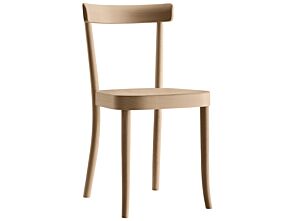
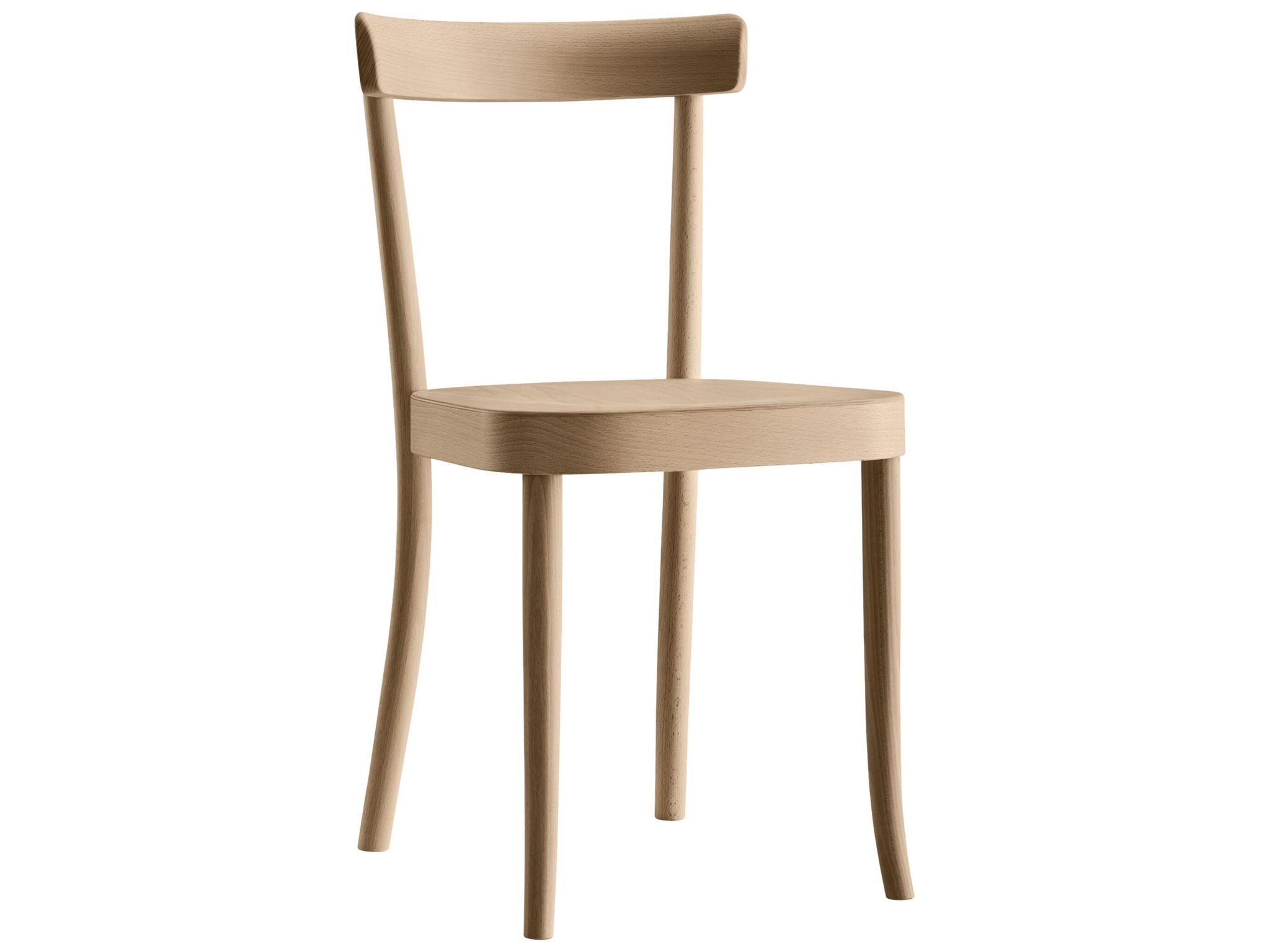
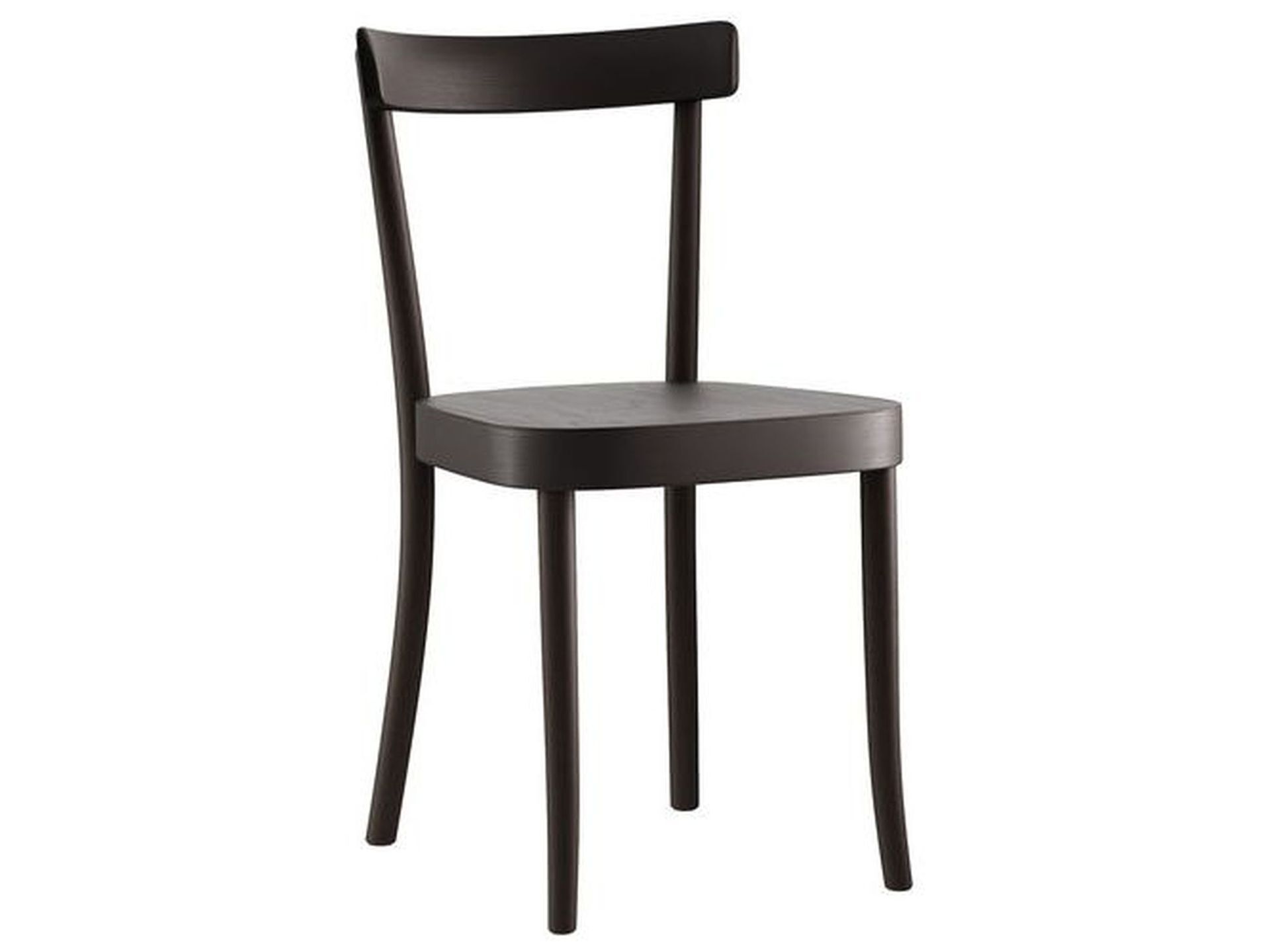
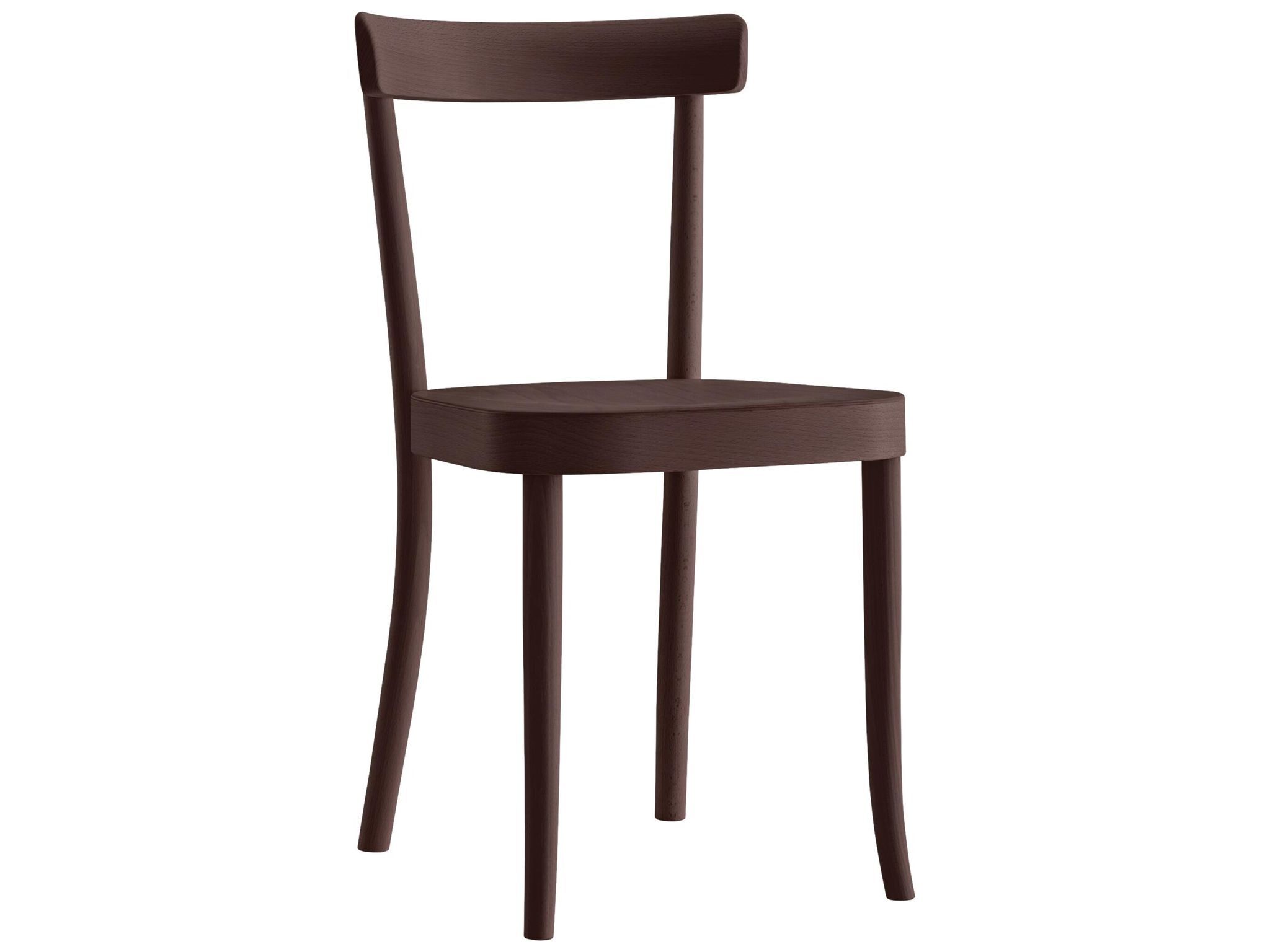
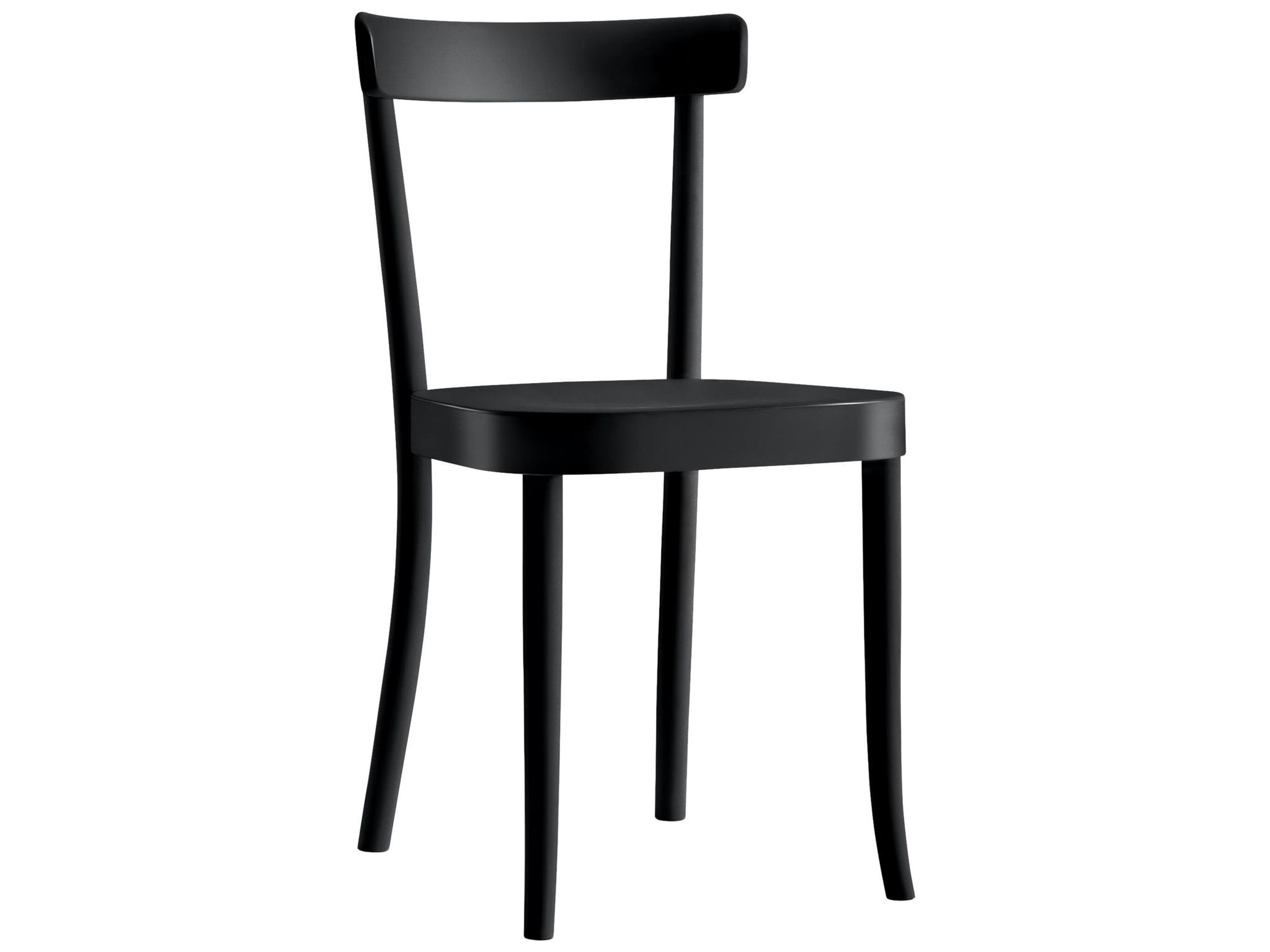
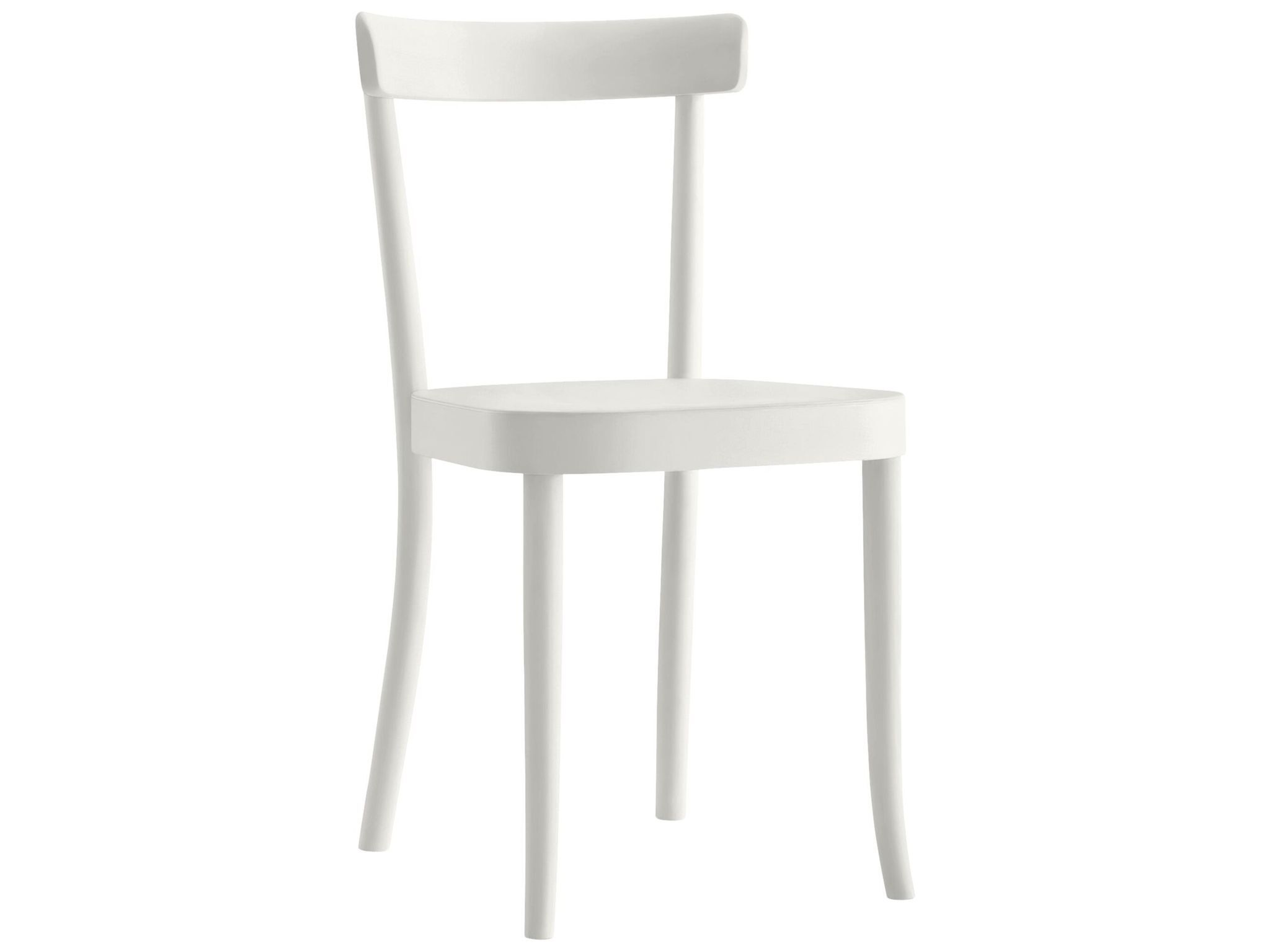
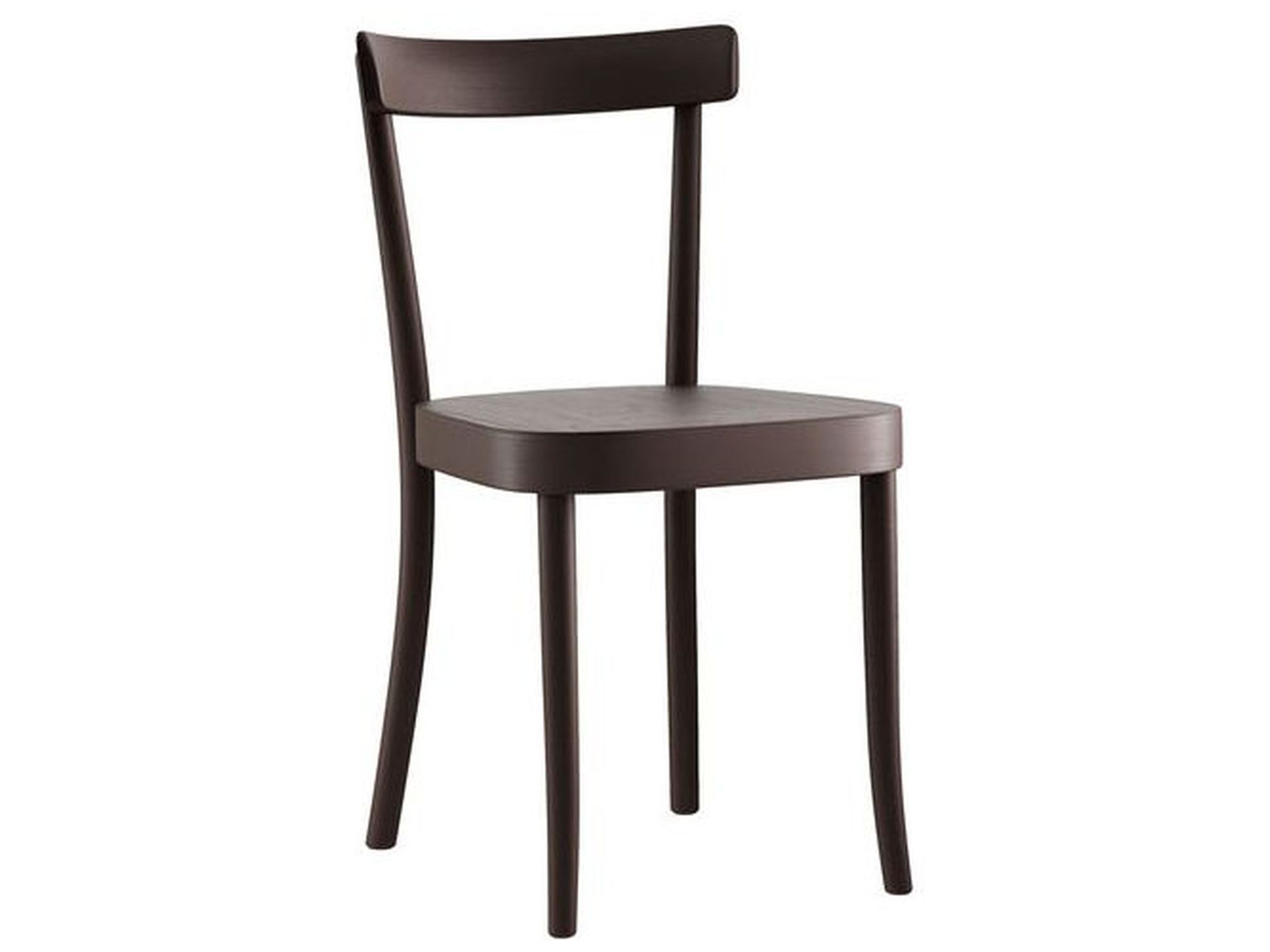
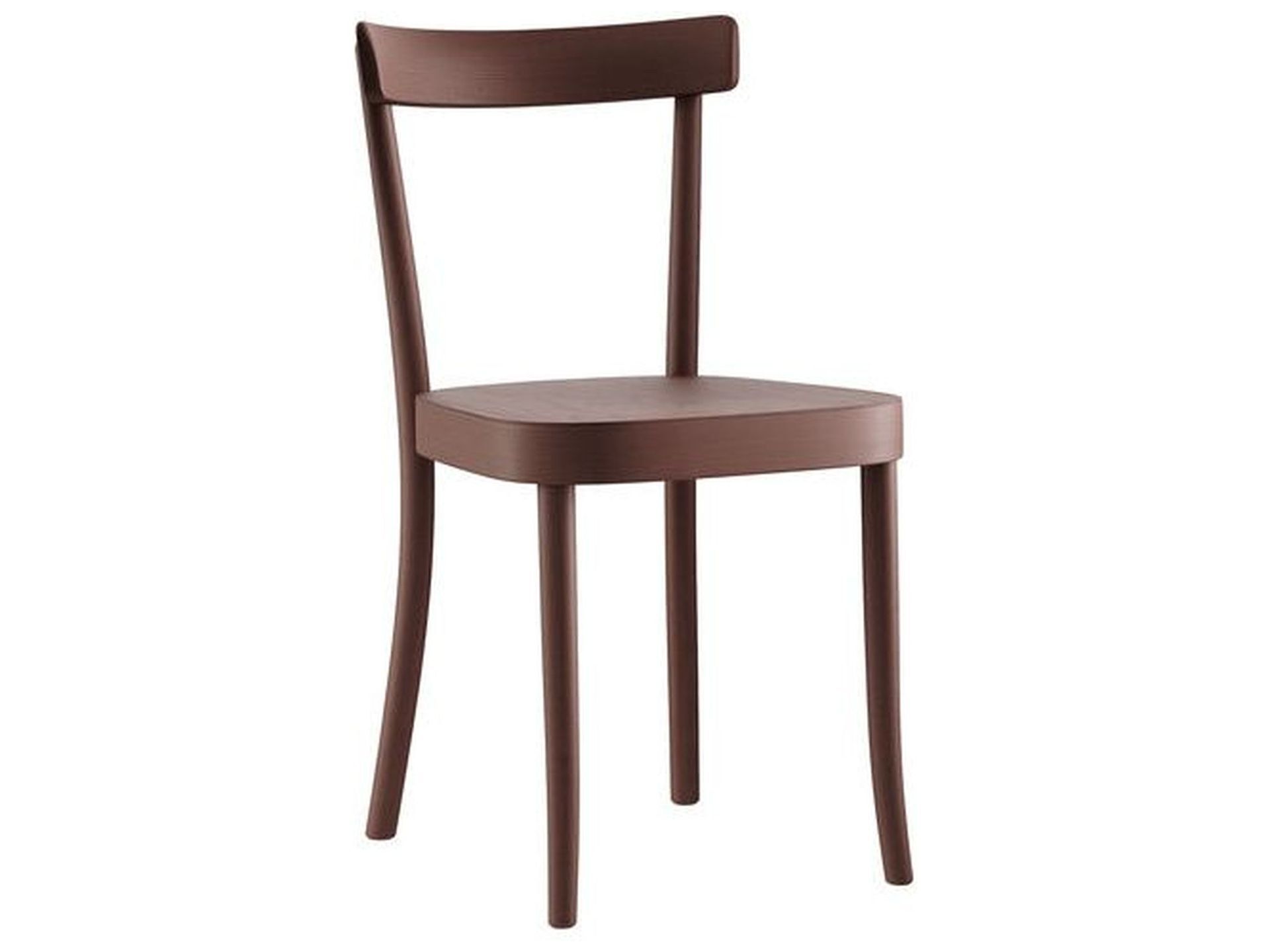
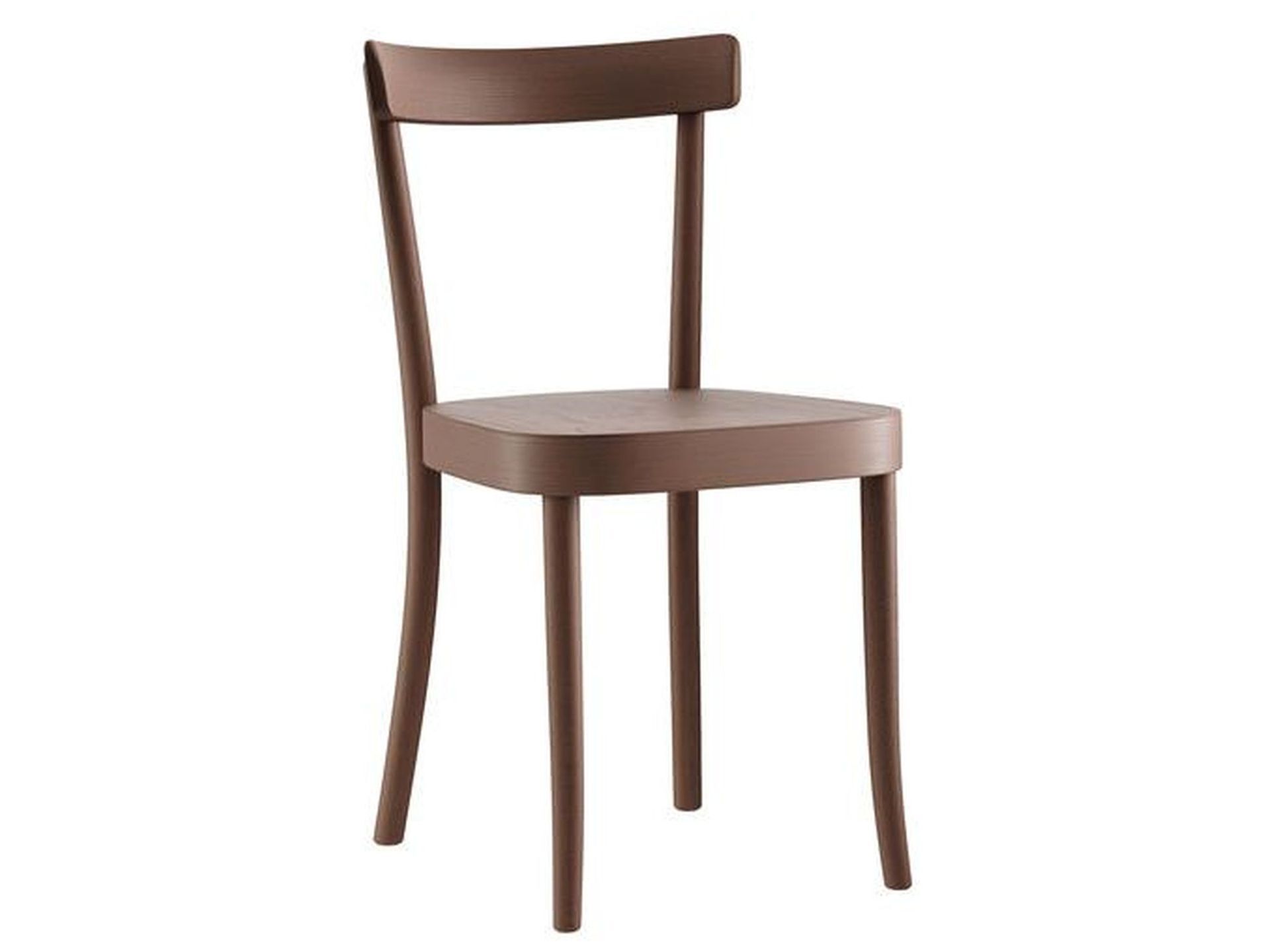
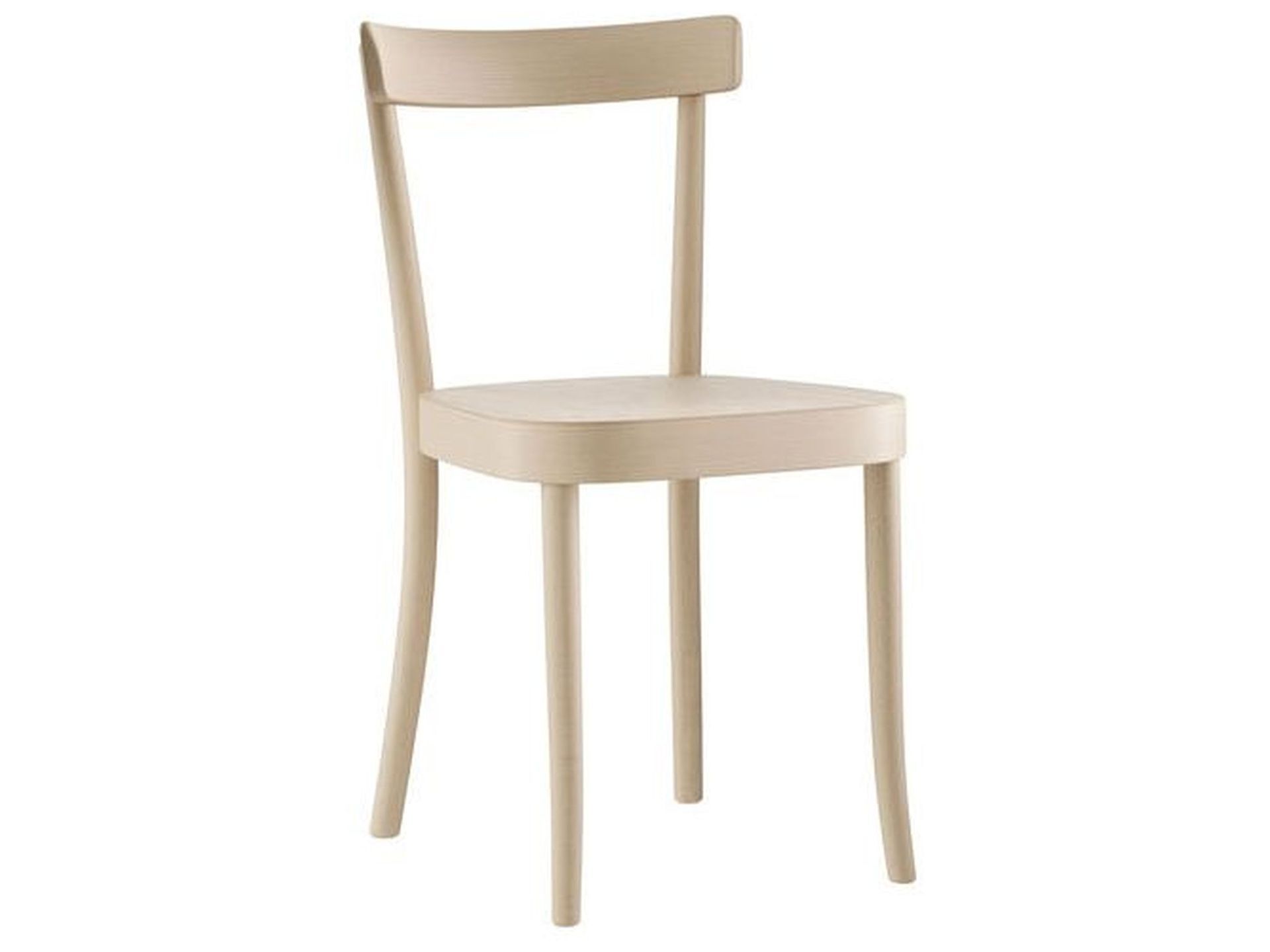
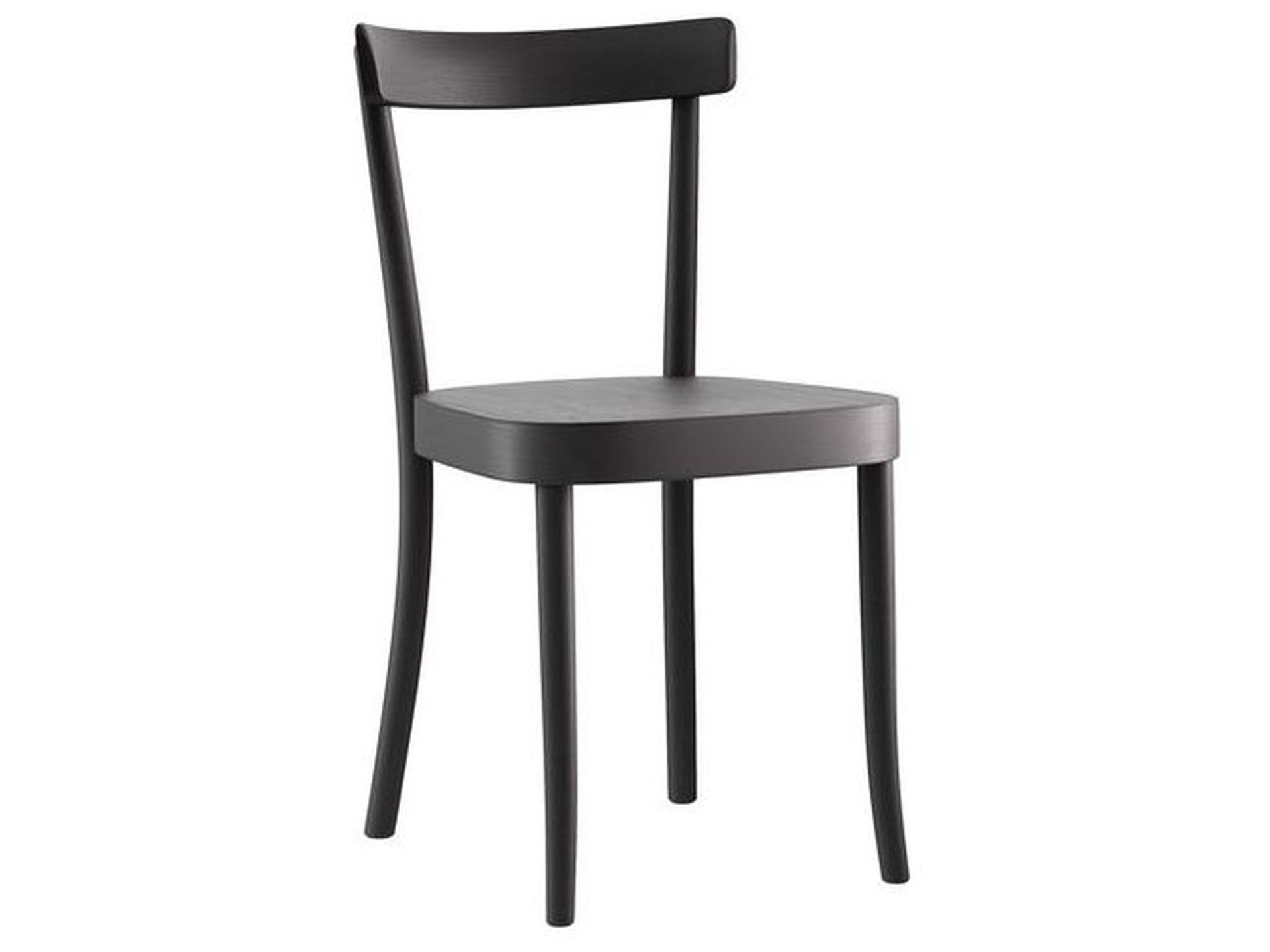
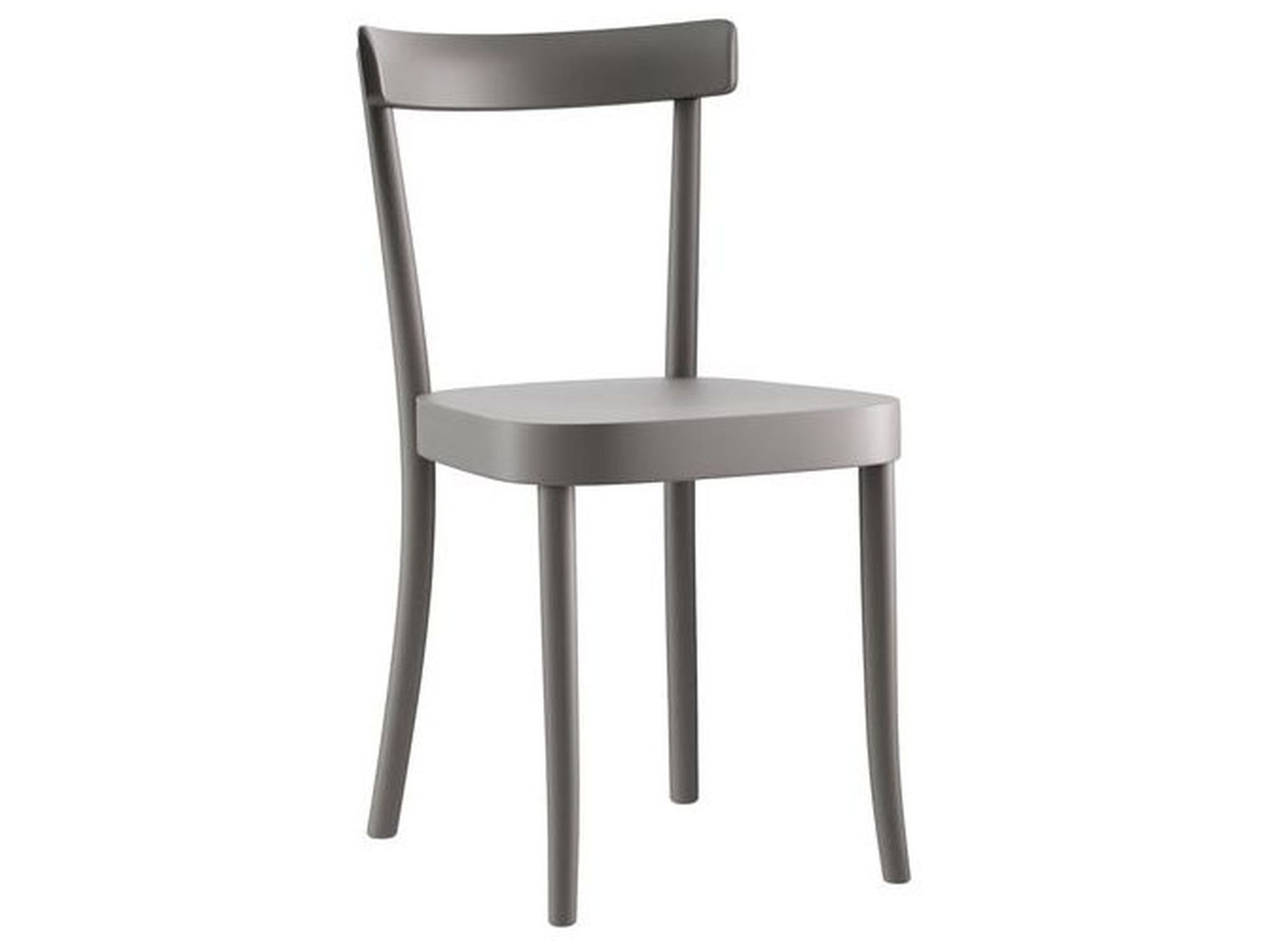
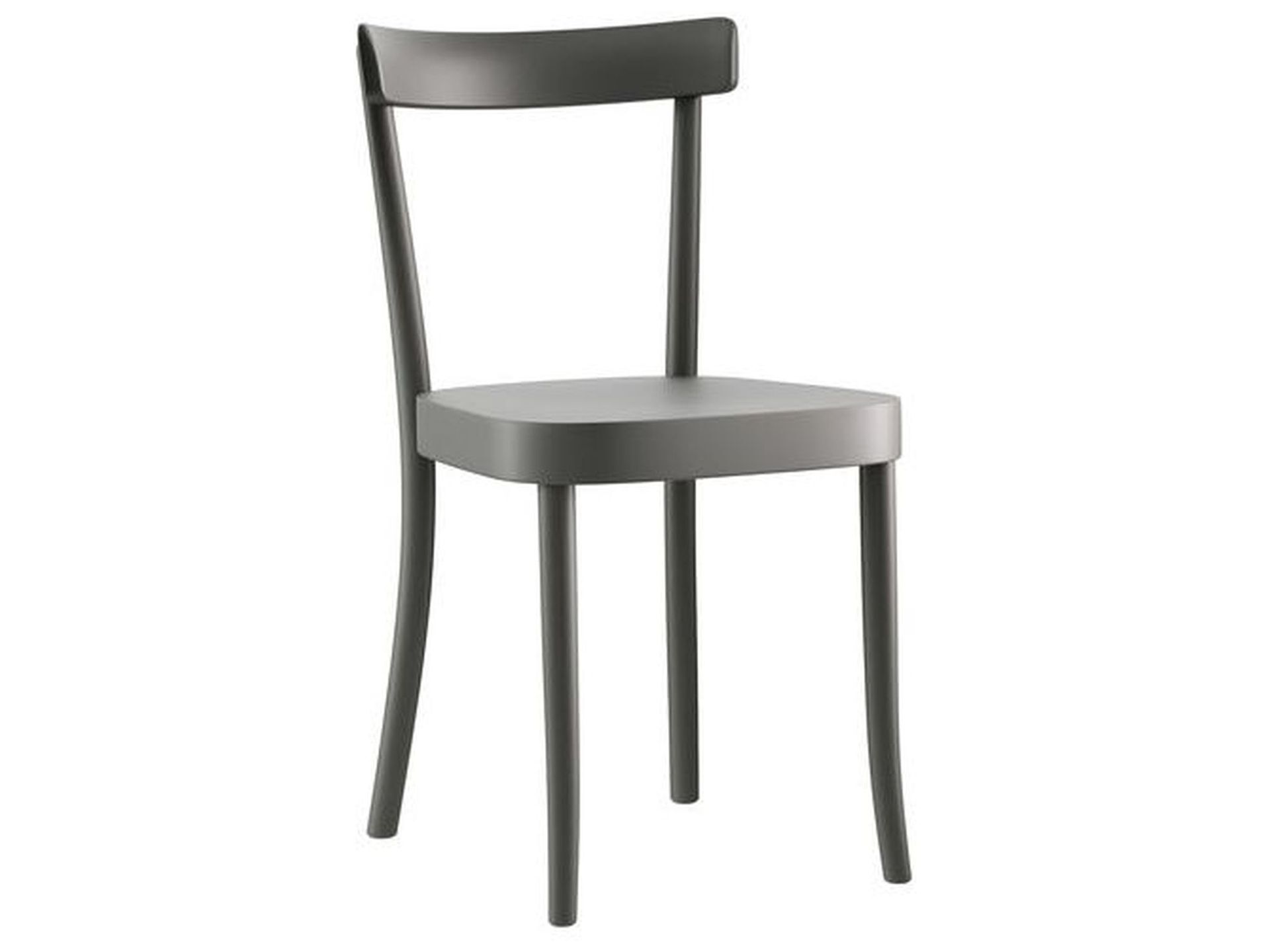
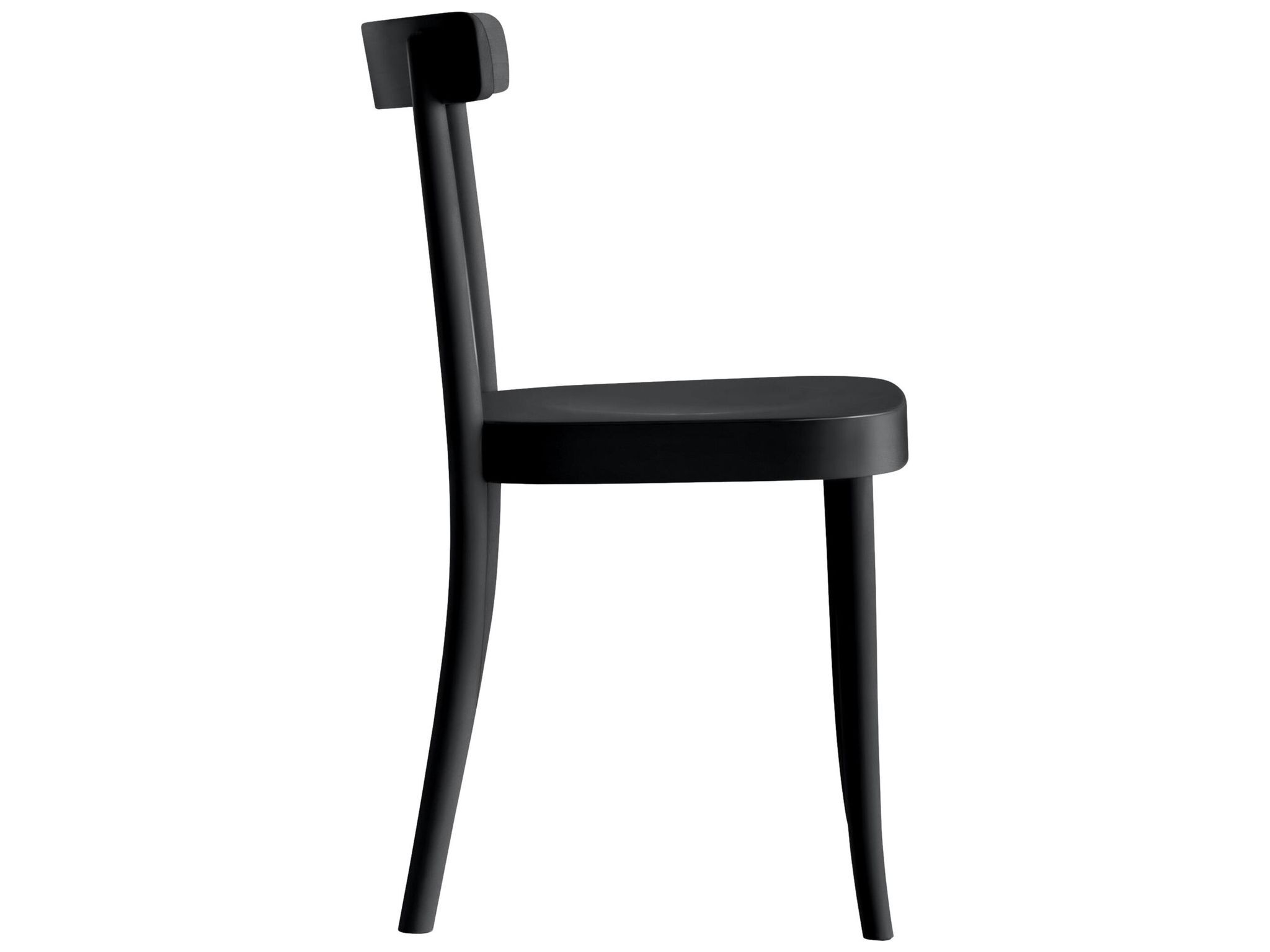
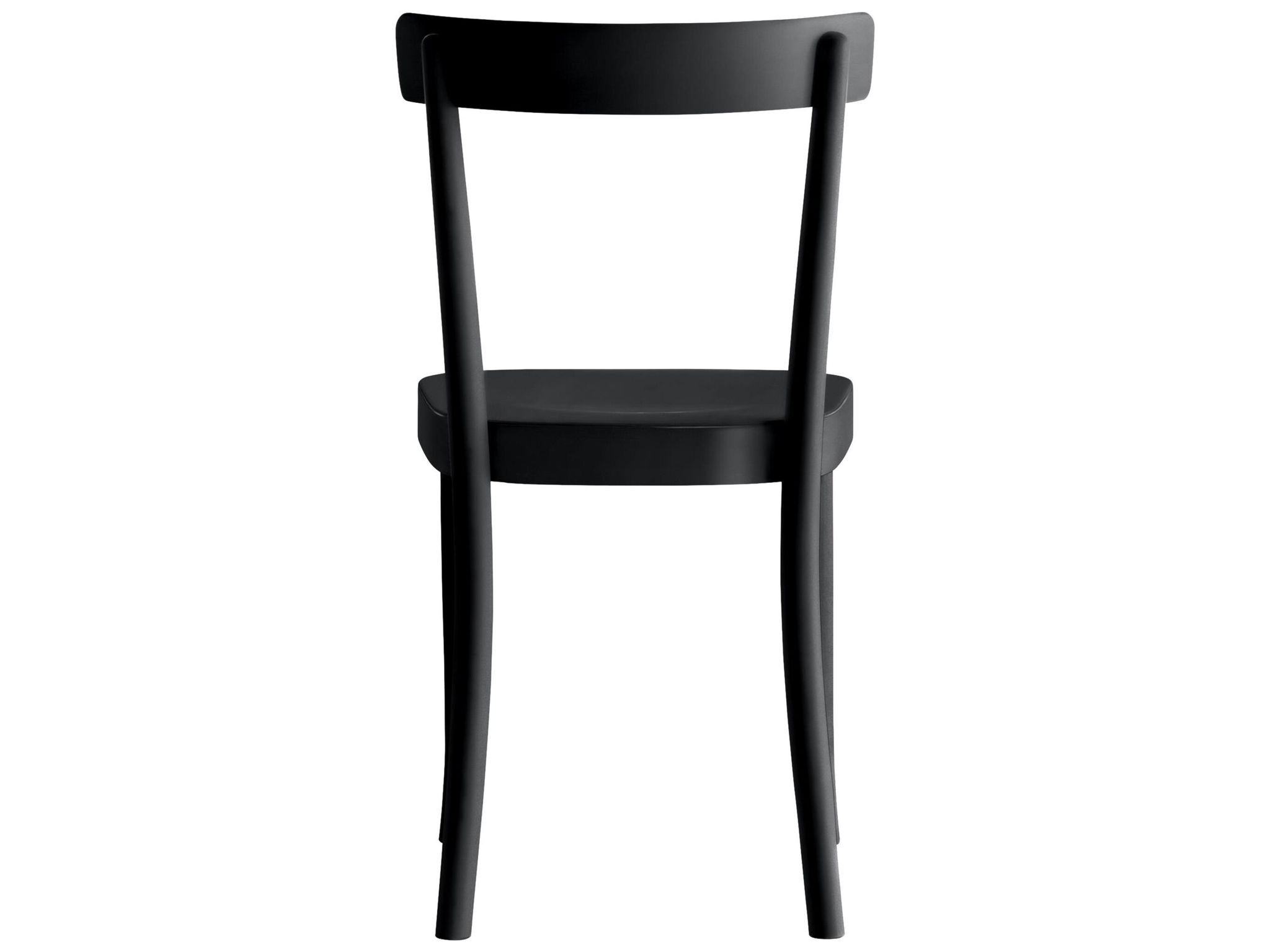
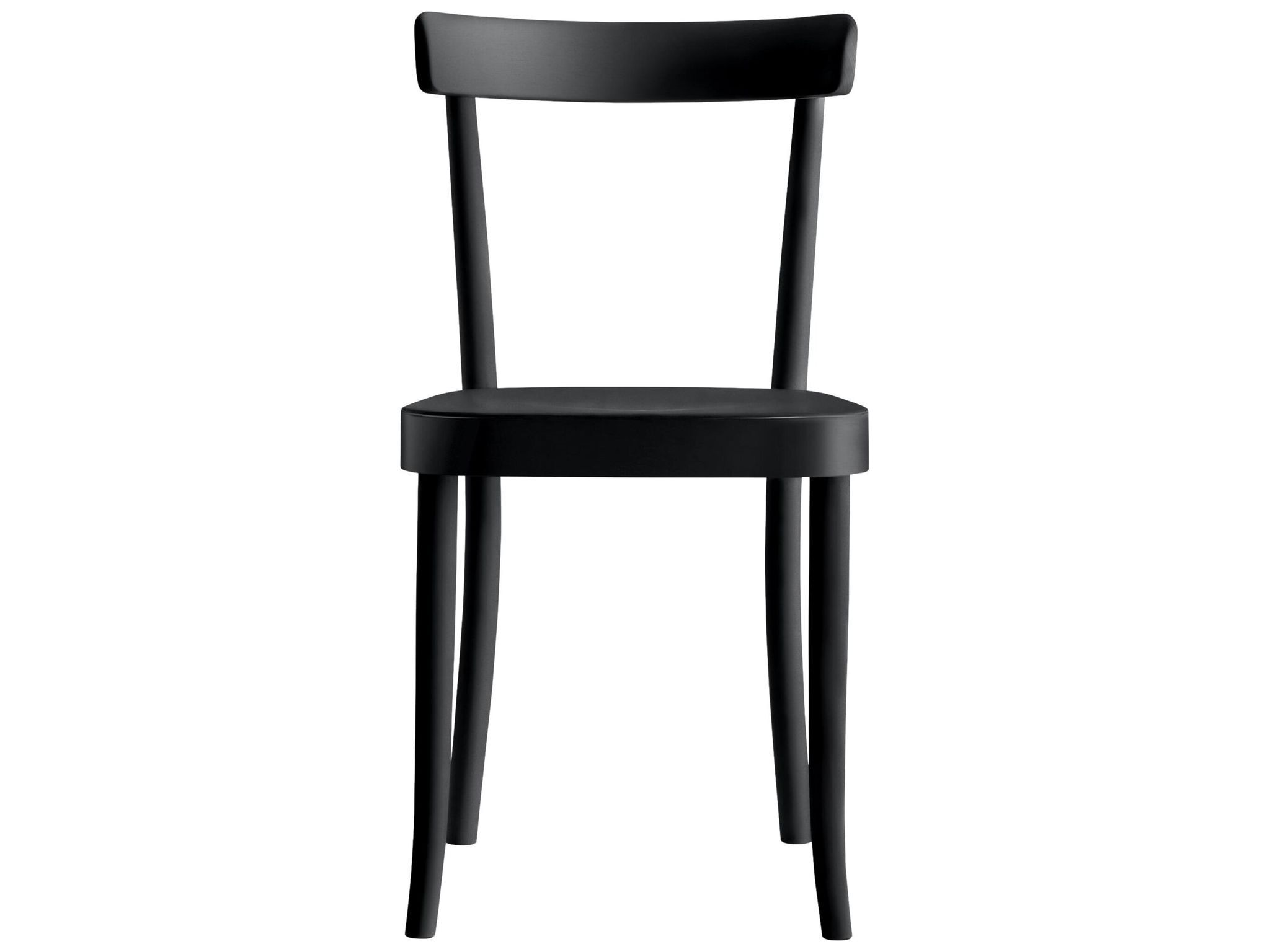
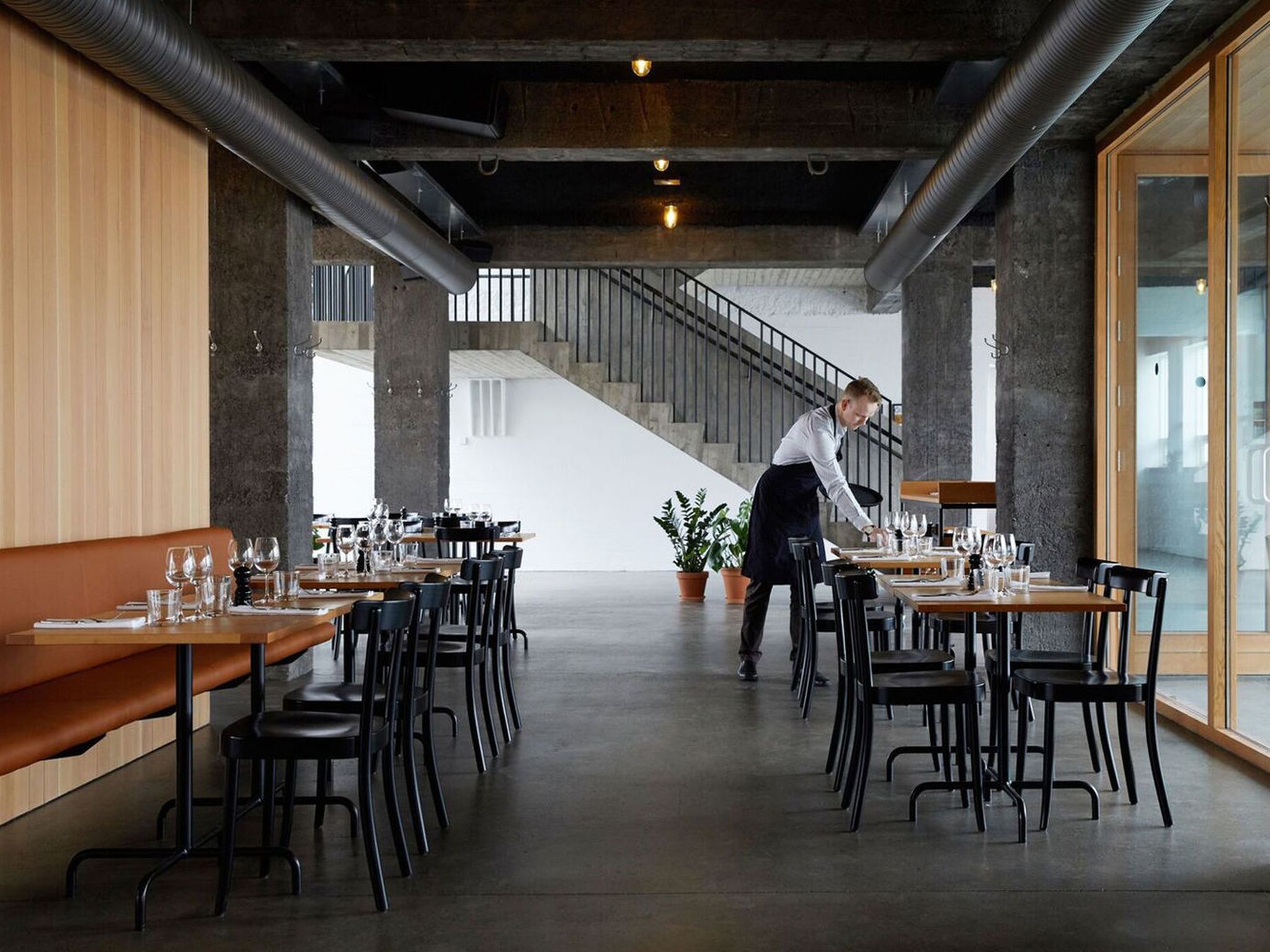
Chair with seat in moulded plywood, backrest, legs and seat frame in curved solid plywood.More info
-
Delivery in 48hAcross Switzerland for +15,000 products in stock
-
Payment by invoiceOr Apple Pay, Twint, Credit card, etc.
-
Pay in 4x or more4x interest-free or 36x financing
-
Return within 14 daysNot satisfied? Return it easily


Product details
Find out more about this product
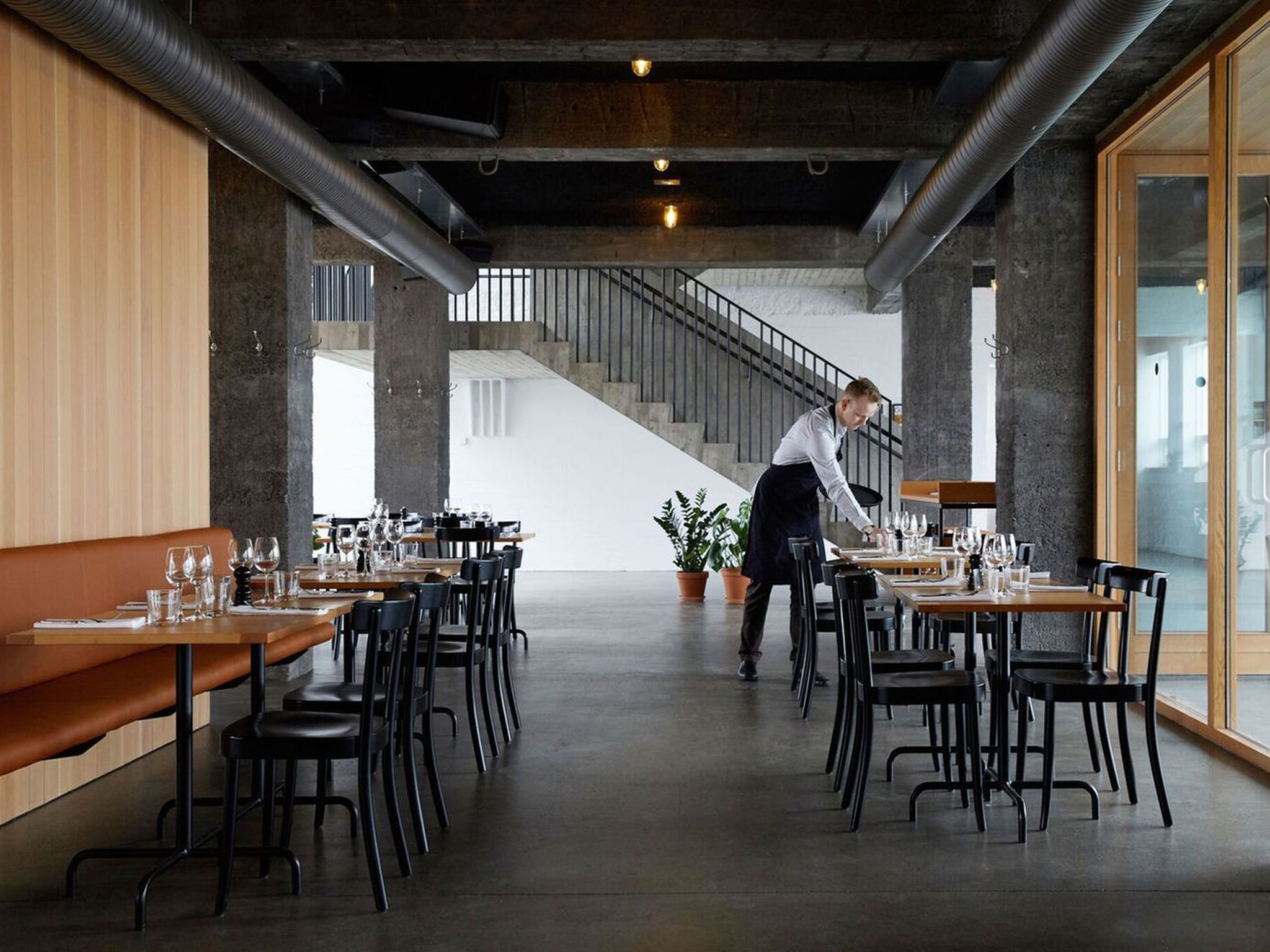
Stylish, almost filigree and yet robust: the moser is the epitome of the Swiss chair. The model 1-250, or as it was quickly called by architects and the vernacular, the "Moser chair", was in the limelight right from the start and became the best-known piece of furniture by horgenglarus. It is shown in all horgenglarus catalogues published since 1932.
The architect Werner Max Moser showed his wooden chair for the first time in 1931 in a version with a wide backrest on the occasion of the Neubühl residential exhibition which he helped to design. Even after the war the resonance was great. It appeared in 1954 on the title of the goods catalogue published by the Swiss Werkbund in 1954 and in 1958 it received the award "Die gute Form" as model "183 M" and "183 MA". So much honor attracts imitators, but "All other similar and copied chairs are perceived as plagiarism," according to archive records.
The Moser chair is very versatile and can be used for a long time. Werner Max Moser, a student of Frank Lloyd Wright, limited his first furniture design to what was absolutely necessary, yet the Moser chair with its round, slightly swinging legs seems familiar. It is reminiscent of the bentwood chairs of the time, as well as of the horgenglarus classic chair. There are similarly puristic chairs, there are comparably stable and just as comfortable chairs, but in combination the moser is unique thanks to its stable seat frame. The quality of the mesh is also superior: The robust Jonc mesh is pulled into the chair frame by hand and knotted there, so it has much more hold than a machine mesh that is pressed into a groove. A continuity of the tried and tested, as modern today as it was then.
The architect Werner Max Moser showed his wooden chair for the first time in 1931 in a version with a wide backrest on the occasion of the Neubühl residential exhibition which he helped to design. Even after the war the resonance was great. It appeared in 1954 on the title of the goods catalogue published by the Swiss Werkbund in 1954 and in 1958 it received the award "Die gute Form" as model "183 M" and "183 MA". So much honor attracts imitators, but "All other similar and copied chairs are perceived as plagiarism," according to archive records.
The Moser chair is very versatile and can be used for a long time. Werner Max Moser, a student of Frank Lloyd Wright, limited his first furniture design to what was absolutely necessary, yet the Moser chair with its round, slightly swinging legs seems familiar. It is reminiscent of the bentwood chairs of the time, as well as of the horgenglarus classic chair. There are similarly puristic chairs, there are comparably stable and just as comfortable chairs, but in combination the moser is unique thanks to its stable seat frame. The quality of the mesh is also superior: The robust Jonc mesh is pulled into the chair frame by hand and knotted there, so it has much more hold than a machine mesh that is pressed into a groove. A continuity of the tried and tested, as modern today as it was then.
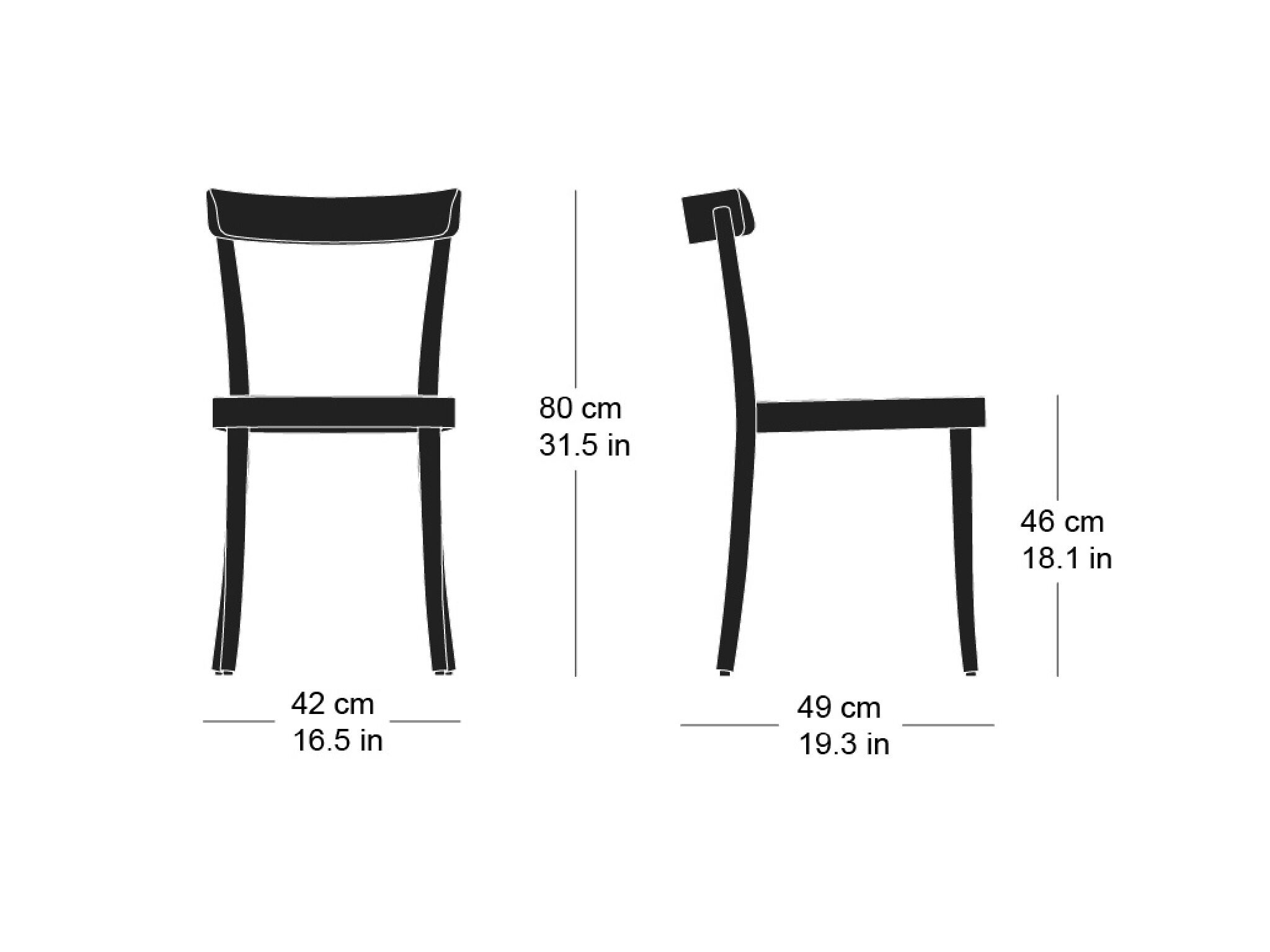
| Total height (cm) | 80.00 cm |
|---|---|
| Seat height (cm) | 46.00 cm |
| Width (cm) | 42.00 cm |
| Depth (cm) | 49.00 cm |
| Outdoor | No |
| Warranty | 2.00 an |
| Article code | 1-250 |
| SKU | HORG_216829_ref |
The Batiplus Advantages
Already +80,000 customers are trusting us
35+
years by your side
80'000+
satisfied customers
50+
experts at your service